Why Renovation Is Booming in Namibia
Namibia's housing stock is ageing. Many homes built in the 1980s and 1990s need structural attention, modern electrical systems, updated plumbing, and a refresh of finishes. At the same time, land costs in established areas of Tsumeb, Otavi, and Windhoek mean that renovating an existing property is often more economical than buying or building new.
The result is a growing market for skilled renovation contractors — builders, electricians, plumbers, and welders who can work to a plan and deliver on time. This guide covers everything you need to know before you start.
What Counts as a Renovation?
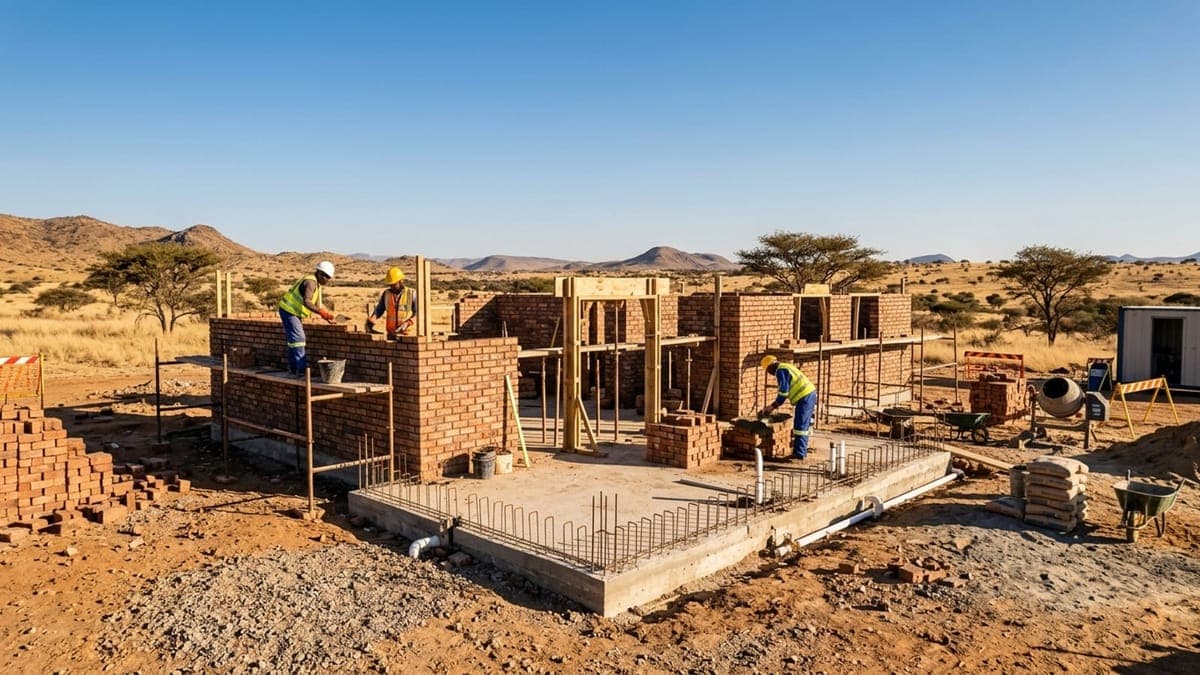
"Renovation" covers a wide range of work. At one end: cosmetic upgrades — painting, tiling, new kitchen cupboards. At the other: structural interventions — removing load-bearing walls, reroofing, adding rooms, or rewiring the entire building.
The scope matters because it determines who you need, what approvals may be required, and how long the project will take. A clear written brief is the single most important thing you can do before approaching a contractor.
Step 1 — Define Your Scope
Write down every item you want changed. Group them:
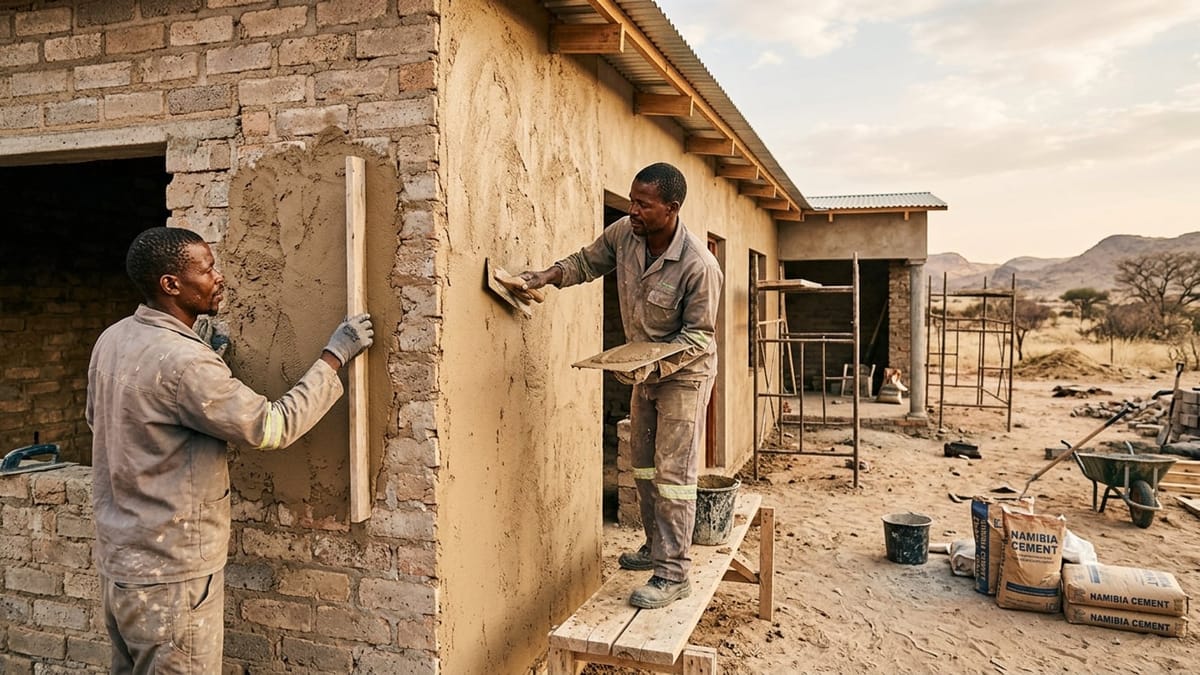
Structural work: Walls, roof, foundations, slab, lintels. Requires a builder. Wet trades: Plumbing, tiling, kitchen and bathroom fit-out. Requires a plumber and tiler. Electrical: New circuits, distribution board upgrades, lighting, plug points. Requires a licensed electrician. Welding and fabrication: Gates, window guards, burglar bars, carports, steel frames. Requires a qualified welder. Finishes: Plaster, paint, flooring. Requires a plasterer and painter.
Some contractors — including general contractors like Diligent Investments — can coordinate all of these trades under one contract, reducing the management burden on you.
Step 2 — Understand Local Planning Requirements
Namibia's Town Planning Ordinance and the relevant local authority bylaws govern what changes you can make to a property without approval. In general:
- Cosmetic changes (paint, tiling, cupboards) require no approval. - Structural changes (removing walls, adding rooms, altering the roofline) typically require approved drawings and a building permit from your local authority. - Electrical work must be carried out by or under the supervision of a person registered with the Namibia Qualifications Authority or equivalent trade body.
Check with your local municipality before starting structural work. Getting caught without a permit can require expensive demolition and reinstatement.
Step 3 — Set a Realistic Budget
Renovation budgets in Namibia are driven by:
Materials: Building materials — cement, bricks, tiles, electrical components, plumbing fittings — are mostly imported or locally manufactured at a premium. Prices change with exchange rate movements. Get supplier quotes at the time of your project, not six months before.
Labour: Skilled artisan rates vary by trade and by region. Windhoek rates are typically higher than Tsumeb or Otavi due to cost of living. A general contractor bundles labour costs into the project rate; day-rate or casual labour carries more scheduling risk.
Scope creep: Renovations almost always reveal hidden problems — rotten timber, corroded pipes, undersized wiring. Build a contingency of 10–15% into your budget.
Access and logistics: If your contractor travels from another town, mobilisation and accommodation costs may apply. A local contractor eliminates these.
Step 4 — Choose the Right Contractor
For a renovation of any complexity, a general contractor who can manage all the trades is worth the premium. You are paying for coordination, accountability, and a single contract.
When evaluating contractors, ask:
1. Can they show a record of completed work of similar scope? 2. Do they use skilled, employed artisans or day labour? 3. Will they provide a written quotation broken down by trade and material? 4. Are they familiar with local authority approval processes in your area? 5. How do they handle scope changes and variations?
A reputable contractor will answer all of these clearly and in writing.
Step 5 — The Quotation and Contract
Never start renovation work on a verbal agreement. A proper written quotation should include:
- Scope of work in detail (what is and is not included) - Bill of materials and quantities - Labour costs per trade - Payment milestones (never pay 100% upfront) - Start and completion dates - Variation process for changes
Review the quotation against your brief. If items are missing, ask for them to be added before signing.
Step 6 — Managing the Project on Site
Once work starts, your job is to:
- Do not change the scope without a written variation order and agreed cost. - Visit the site at each milestone payment point and confirm work matches the spec. - Keep a site diary: date, who was on site, what was done, any issues. - Address problems immediately — do not let defects accumulate to the end.
A good contractor will proactively communicate progress and flag problems. If communication goes silent, follow up in writing.
Step 7 — Handover and Defects
At completion:
- Walk the full property and compile a written snag list — every item that is incomplete or defective. - Do not make the final payment until the snag list is resolved, unless you have agreed escrow terms. - Get copies of any compliance certificates (electrical CoC, plumbing sign-off) required by your local authority. - Confirm any agreed warranties on workmanship in writing.
Renovation in Tsumeb, Otavi, and Windhoek
Diligent Investments is a service-area contractor based in Tsumeb. We come to the site for renovation and construction work across Tsumeb, Otavi, the Oshikoto Region, and Windhoek. Completed renovation work on record includes house renovations in Tsumeb and roof settings across Tsumeb and Otavi.
We do not have a public walk-in office. Call or email to discuss your project and we will arrange a site visit.
// FAQ's